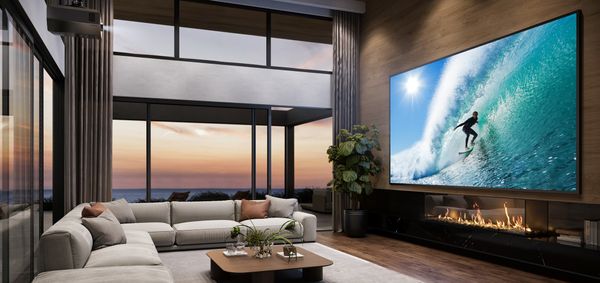
You finally have the space and budget to build the ultimate media room, but staring at an empty wall leaves you stuck between two completely different display technologies. Trying to decide on a projector vs tv forces you to balance screen size, room lighting, and installation logistics all at once. Settling for a standard flat panel might leave you wishing for a more immersive movie night, while picking the wrong projection system could wash out completely on a sunny Saturday afternoon.
Our custom installation experts have mapped out this exact scenario hundreds of times to take the guesswork out of your home theater build. We will guide you through how these technologies handle brightness, physical space, and eye strain so you can make the right call for your space.
Build Your Dream Media Room
Work with our local custom installation experts to design the perfect viewing environment for your home.
Key Takeaways
- Immersive Scale: Projectors easily push past the 100-inch barrier for a true cinematic feel without the massive weight of oversized flat panels.
- Lighting Control: Standard televisions dominate in brightly lit spaces, while modern projection setups require specific screen materials to fight glare.
- Visual Comfort: Reflected light from a projection screen dramatically reduces digital eye strain compared to staring directly at bright LED diodes.
- Audio Integration: A massive screen demands an equally massive soundstage, meaning high-end projection systems require dedicated architectural audio.
How Projectors and TVs Create Your Cinematic Image
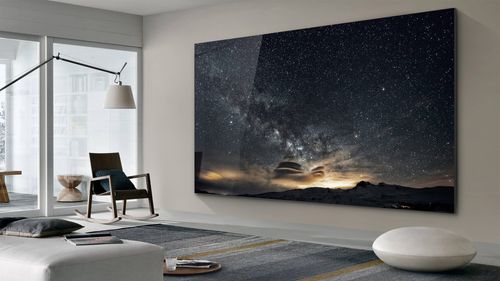
When comparing a projector screen vs tv, the fundamental difference comes down to how light reaches you. Flat panels use emissive technology where LED diodes shine directly into your eyes. Projection systems use reflective light that bounces off a specialized material before reaching your seating area. This subtle shift completely changes the physical and psychological viewing experience.
If you are researching a projector vs tv for eyes, reflective light reduces digital eye fatigue during long movie marathons. People often ask are projectors better for your eyes, and the lack of direct blue light exposure certainly provides a more comfortable long-term viewing session.
Why Size Matters: Breaking the 100-Inch Home Theater Barrier
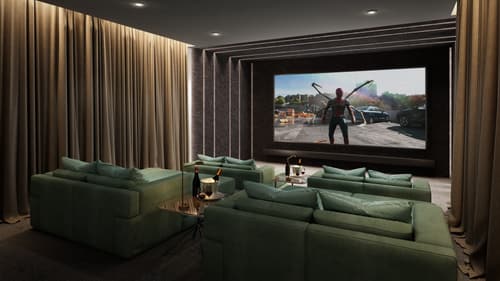
A massive flat panel caps out around 98 inches before the physical weight and logistical nightmare of installation becomes prohibitive. Projection systems naturally dominate the 100 to 300-inch category to offer genuine cinematic immersion. When looking at a 100 inch tv vs projector, the projected image easily fills your peripheral vision just like a commercial movie theater.
Moving a massive television into a basement or tight staircase often requires special rigging and reinforced wall studs. Conversely, a compact projection unit mounts easily overhead and projects a massive image across the room.
Projector vs TV: Side-by-Side Feature Comparison
| Feature | Projector Setup | Traditional TV |
|---|---|---|
| Size Potential | Easily scales from 100 to 300 inches for maximum immersion. | Caps out around 98 inches before manufacturing costs skyrocket. |
| Brightness for Daytime | Requires strategic light control or specialized screen materials. | Plug-and-play visibility even in highly lit living spaces. |
| Installation Difficulty | Requires precise throw distance calculations and overhead power. | Mounts directly to structural wall studs with a standard bracket. |
| Eye Strain | Gentle reflective light minimizes visual fatigue over time. | Direct emissive light can cause strain in entirely dark rooms. |
| Space Requirements | Overhead mounting leaves your wall completely bare when powered off. | Dominates the physical room layout with a massive black rectangle. |
| Built-In Audio | Typically lacks usable internal speakers and requires external audio. | Features internal speakers suitable for casual daily viewing. |
Brightness and Ambient Light: Winning the War on Glare
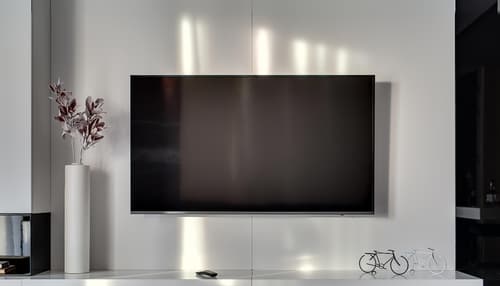
Ambient light is the biggest enemy of any media room. Standard flat panels are incredibly bright and work perfectly as plug-and-play solutions in sun-drenched living rooms. Comparing a laser tv vs oled usually highlights that traditional dark-room projection systems struggle to maintain deep black levels with the blinds open.
To create the best projector for daylight viewing, you must pair a high-lumen unit with an ambient light rejecting screen. This specialized ALR material bounces light from below while absorbing overhead glare. This modern hardware bridges the gap between nighttime movie viewing and bright daytime sports broadcasts.
Setup and Space: Mounting Heavy TVs vs. Concealing Projectors
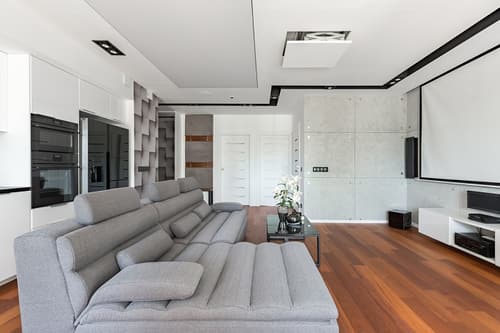
A giant black television screen dominates your interior design even when it is turned off. Exploring a living room projector setup allows you to hide the technology completely out of sight.
Concealed Projection Systems
Motorized screens drop down for movie night and roll back up to reveal your artwork or windows. If you want a clean aesthetic, an ultra short throw projector vs tv debate usually ends with a hidden UST unit built effortlessly into custom cabinetry. When installing any motorized projection screen, our installation team always plans for a minimum of four inches of ceiling clearance to accommodate the recessed housing without compromising the room's structural joists.
Traditional Flat Panel Logistics
When planning your room layout, you must account for these three installation factors before committing to a display type:
- Power Access: Planning dedicated outlets for both the ceiling projection unit and the motorized screen housing.
- Throw Distance: Calculating the exact mathematical distance needed to fill your chosen display size.
- Ventilation: Providing adequate airflow around enclosed cabinetry to prevent the bulb or laser from overheating.
The Pros and Cons of a Projector vs TV
Comparing these two display technologies requires balancing your room environment against your viewing habits. Here is a breakdown of the specific benefits and trade-offs you can expect.
Pros
Massive Scale
Projection systems easily push past the 100-inch mark for a true commercial theater experience at home.
Visual Comfort
Reflected light drastically reduces digital eye fatigue compared to staring into bright LED panels.
Hidden Aesthetics
Motorized screens and ceiling mounts allow the heavy equipment to vanish when you are done watching.
Flexible Sizing
You can adjust the optical throw distance to perfectly fit your wall instead of settling for a fixed panel size.
Cons
Complex Installation
A proper overhead setup requires running hidden power and video cables through your ceiling framework.
Audio Dependency
You must invest in a separate surround sound system because projection units lack adequate built-in speakers.
Beyond the Picture: Sound Systems and Smart Connectivity
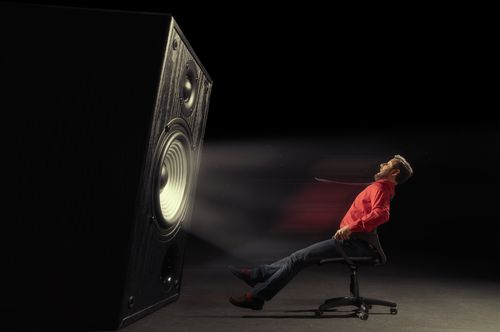
A premium home theater projector vs tv comparison is only half the battle. Modern televisions provide a convenient all-in-one ecosystem loaded with internal streaming apps and decent built-in speakers. A true cinematic space demands a dedicated audio solution to match the massive image size.
You will need to pair your display with a high-end architectural surround sound system to get the full atmospheric effect. Assessing the true cost of projector vs tv requires factoring in the necessary audio receiver, dedicated speakers, and external streaming devices.
Ready to Choose Your Projector vs TV Setup?
Deciding between these displays comes down to your room's lighting, your desired screen size, and your audio preferences. A massive projection setup offers unmatched cinematic scale, while a premium flat panel delivers easy daytime visibility.
Shop Custom Residential Systems to explore our curated selection of high-end home theater equipment. Our local technology experts provide professional showroom guidance, careful architectural integration, and reliable installation services that big-box competitors simply cannot match.
Frequently Asked Questions about Projector vs TV
Reflective projection technology is generally much better for your eyes than staring directly into a bright emissive television. The bounced light dramatically reduces digital eye strain and fatigue during extended viewing sessions.
You no longer need a pitch-black cave to enjoy a modern projection setup. High-lumen laser units paired with ambient light rejecting screens can maintain excellent contrast in moderately lit rooms.
A high-quality 100-inch projection system is often more cost-effective than purchasing a massive 100-inch television. Flat panels become exponentially more expensive and difficult to manufacture once they cross the 85-inch threshold.
An ambient light rejecting screen is a specialized material designed to absorb overhead glare while reflecting the primary image back to the viewer. You absolutely need one if you plan to watch daytime television in a bright living space.
Ultra short throw systems rival standard flat panels in color accuracy and sharpness while offering a much larger image from just inches away. They provide a fantastic middle ground for buyers who want massive scale without running cables across the ceiling.
Gaming on projector vs tv is perfectly viable thanks to modern gaming-focused units featuring low input lag and high refresh rates. You will want to verify the specific latency specifications before purchasing if you play competitive multiplayer titles.
Why Trust Custom Residential Systems?
Custom Residential Systems has earned a reputation as a trusted leader in home technology integration by combining expertise, innovation, and personalized service. Based in Rolling Meadows, Illinois, they focus on understanding each homeowner’s unique lifestyle and needs, ensuring every audio, video, security, and automation system is perfectly tailored. Their team of certified professionals handles design, installation, and ongoing support with precision and care, using only high-quality products and industry-leading practices. With a commitment to excellence, reliability, and long-term client satisfaction, homeowners can trust Custom Residential Systems to deliver seamless, cutting-edge solutions that enhance comfort, convenience, and entertainment throughout their home.